

Introduction
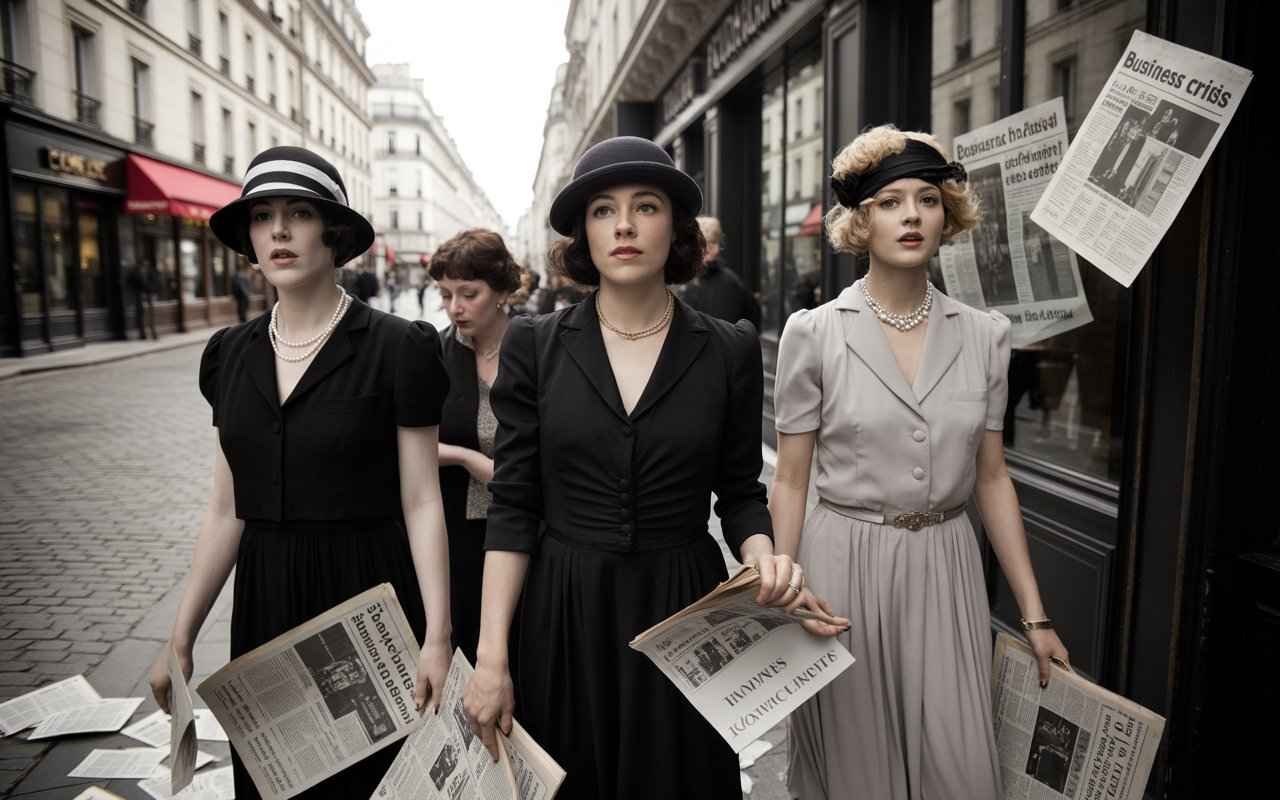
The 1920s in Paris marked a transformative era, not just for fashion and art, but for ambitious businesswomen who defied societal expectations. These trailblazers combined elegance with sharp business acumen, reshaping industries from finance to retail. Parisian women entrepreneurs became symbols of innovation, using creativity and strategy to thrive in a male-dominated marketplace.
Their influence extended beyond commerce; they set new standards for style, networking, and professional conduct. By merging entrepreneurial vision with cultural sophistication, these women left a lasting legacy. Understanding their achievements reveals how determination, innovation, and social influence intersect, inspiring modern business leaders and redefining what it means for women to succeed in both business and style.
A City in Transition: Paris After World War I
After World War I, Paris emerged as a city of rebirth and reinvention. The devastation left many neighborhoods and industries in flux, creating opportunities for innovation and social change. Economic recovery fueled new businesses, while the arts and culture flourished, creating a vibrant, dynamic urban landscape.
For women, this transitional period was pivotal. Shifts in labor demand and social norms opened previously closed doors, allowing Parisian women entrepreneurs to step into leadership roles. The city became a playground for creativity and ambition, where combining business acumen with cultural sophistication allowed women to redefine success in an evolving metropolitan society.
Breaking Barriers: The Bold Moves of Women Entrepreneurs
Fashion and Power: The Style Revolution of Business Women

In 1920s Paris, fashion became a statement of authority for women entrepreneurs. Tailored suits, bold accessories, and elegant dresses were more than style; they symbolized confidence, professionalism, and influence. Parisian businesswomen used fashion strategically to command respect in boardrooms and social circles alike.
This style revolution blurred the line between aesthetics and authority. By combining business acumen with sartorial sophistication, these women created a unique brand of power. Their clothing choices reinforced credibility, conveyed ambition, and helped them navigate male-dominated industries. Ultimately, fashion and strategy worked together, allowing women to redefine leadership and establish lasting influence in both business and culture.
Publishing and Culture: Business Women of the Book World
In Paris in the 1920s, women were not just readers; they became influential figures in publishing and literary culture. Female entrepreneurs launched bookstores, managed publishing houses, and promoted avant-garde literature, shaping public taste while building successful businesses. Parisian women in publishing combined creativity with keen business sense, turning cultural passion into profitable ventures.
These businesswomen fostered networks of writers, artists, and intellectuals, amplifying both cultural and commercial impact. By championing innovative ideas, they challenged traditional hierarchies and established literary authority. Their influence extended beyond commerce, proving that strategic vision and cultural engagement could coexist, empowering women to leave a lasting mark on Parisian arts and entrepreneurship.
Cabaret and Nightlife: Entertainers Turned Entrepreneurs
In 1920s Paris, the vibrant cabaret scene offered more than entertainment; it became a launchpad for women to embrace entrepreneurship and leadership. Performers transformed talent into business opportunities, opening clubs, managing shows, and cultivating loyal audiences. Parisian women entertainers blended creativity with strategic planning, turning nightlife into a profitable enterprise.
These women leveraged charisma, networking skills, and cultural influence to thrive in a competitive social and business environment. By combining artistic vision with business savvy, they redefined what it meant to succeed in both entertainment and commerce. Their legacy demonstrates how innovation and ambition can convert passion into sustainable ventures.
Finance and Risk: High Stakes in a Changing Economy
The post-World War I Parisian economy was volatile, yet ambitious women seized opportunities in finance and investment. By navigating risks, managing capital, and building networks, Parisian businesswomen established themselves in banking, insurance, and trading fields previously dominated by men.
These entrepreneurs combined strategic foresight with bold decision-making, understanding that calculated risks often led to significant rewards. Their ability to adapt to shifting markets and economic uncertainty showcased resilience and innovation. Through financial acumen and courage, women not only profited but also redefined economic leadership, proving that savvy and determination could secure influence in a rapidly evolving business landscape.
Obstacles Faced by 1920s Paris Business Women
Despite their talent and ambition, Parisian businesswomen faced significant societal and institutional barriers in the 1920s. Gender biases limited access to funding, professional networks, and formal business education, forcing women to rely on ingenuity and persistence to succeed.
Legal restrictions, social expectations, and skepticism from male counterparts created a challenging landscape. Many women had to balance family obligations while managing enterprises, navigating prejudice at every turn. Yet, through resilience, strategic alliances, and creative problem-solving, these entrepreneurs overcame obstacles, demonstrating that determination and innovation could break barriers and pave the way for future generations of female business leaders.
The Legacy of 1920s Paris Business Women
The trailblazing women of 1920s Paris left an enduring mark on both business and culture. Their courage, innovation, and strategic thinking reshaped industries, proving that women could excel in leadership roles previously reserved for men.
By blending entrepreneurial vision with cultural influence, these businesswomen inspired future generations to pursue ambition without compromise. Their achievements in finance, publishing, fashion, and entertainment set new standards for professionalism, style, and resilience. Today, their legacy continues to inform modern entrepreneurship, highlighting how determination and creativity can redefine success while leaving an indelible imprint on society and the evolution of female leadership.
Conclusion: Style, Strength, and the Spirit of Enterprise
The businesswomen of 1920s Paris exemplified the perfect fusion of style, strength, and entrepreneurial spirit. They defied societal expectations, transforming fashion, finance, publishing, and entertainment into arenas of opportunity. Their actions proved that ambition paired with strategy could break barriers and create lasting impact.
By combining creativity, resilience, and vision, these women not only succeeded in business but also reshaped cultural norms. Their legacy continues to inspire modern entrepreneurs, showing that innovation and determination are timeless tools for achieving success. Ultimately, 1920s Paris proved that true leadership transcends gender, leaving a model of courage and enterprise for generations to come.
FAQs About 1920s Paris Business Women
1. Who were the notable businesswomen in 1920s Paris?
Prominent figures included women entrepreneurs in finance, fashion, publishing, and entertainment, who redefined leadership and professional success in a male-dominated society.
2. What industries did they influence the most?
They excelled in fashion, cabaret and nightlife, publishing, and finance, combining creativity with business acumen to leave a lasting mark.
3. How did Parisian culture impact their success?
Paris’s vibrant arts and intellectual scene, along with post-war economic changes, created opportunities for innovation, networking, and entrepreneurship for ambitious women.
4. What obstacles did they face?
They navigated gender bias, limited access to capital, legal restrictions, and societal expectations, often balancing personal obligations with professional ambitions.
5. Why is their legacy important today?
Their achievements highlight resilience, creativity, and leadership, inspiring modern entrepreneurs and demonstrating that women can thrive in challenging, competitive industries.
