

Introduction
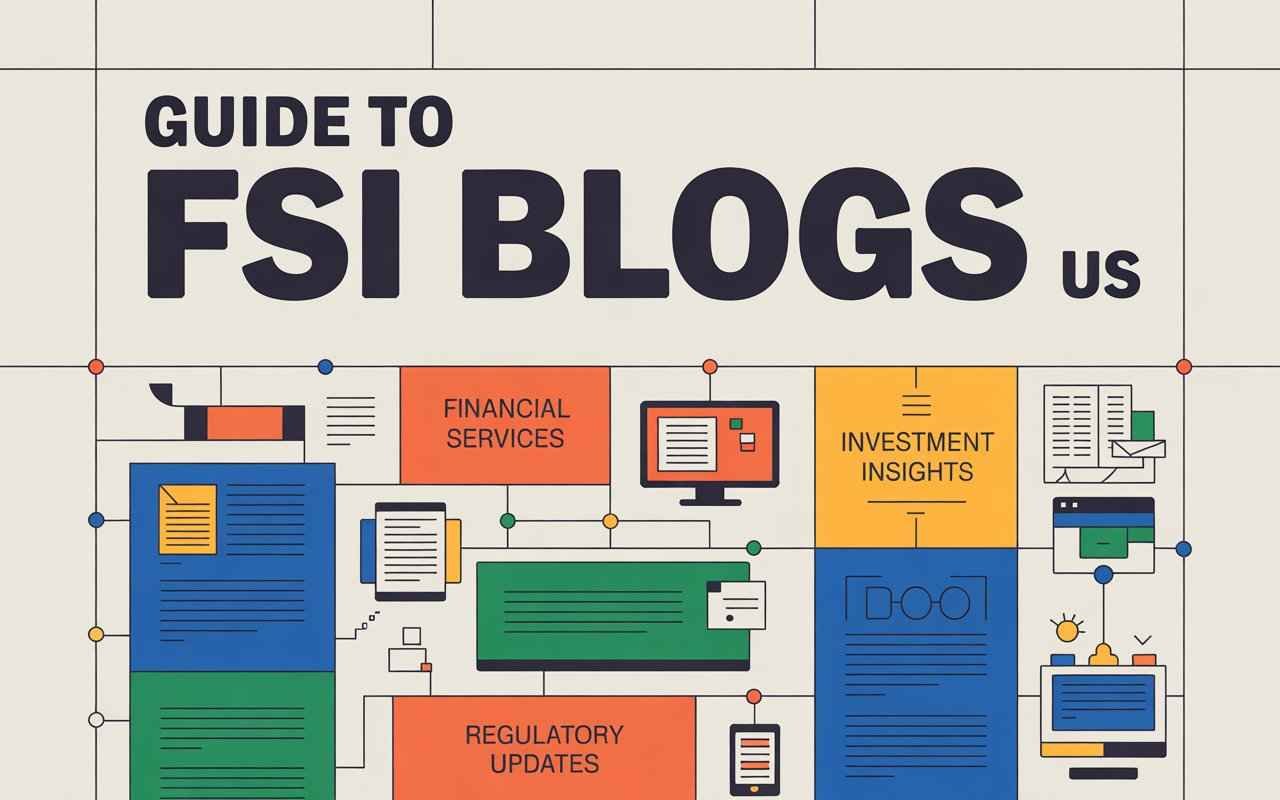
In today’s digital era, staying ahead in finance requires more than skimming headlines. FSI Blogs US provides a goldmine of insights for investors, students, and professionals. By combining finance, strategy, and innovation, these blogs offer real-world knowledge you can apply immediately. From trends to thoughtful commentary, they bridge gaps in understanding.
These blogs aren’t just opinion pieces; they reflect the pulse of the US financial landscape. You’ll discover practical tips, emerging trends, and expert advice to make smarter decisions. Whether you’re a beginner learning about financial blogs or a professional exploring US financial insights, this guide shows how FSI blogs can transform your approach.
What Are FSI Blogs US?
FSI Blogs US are online platforms focused on finance, strategy, and innovation within the United States. Unlike generic news websites, these blogs dive deeper into investment techniques, market analysis, fintech trends, and corporate strategy. Contributors often include professors, analysts, policymakers, and industry leaders.
For example, a fintech blog might explain how digital wallets are transforming payments, while a strategic finance blog explores how companies navigate economic uncertainty. The combination of expert commentary and practical advice makes these blogs invaluable. They not only report information but also interpret it, helping readers understand implications for investments, business decisions, and financial literacy.
Why FSI Blogs Matter to the US Today
FSI Blogs US have grown essential because they fill knowledge gaps left by traditional media. Many Americans never receive formal financial education, yet they face complex decisions about savings, loans, and investments. Blogs make these topics approachable without sacrificing depth.
Moreover, US financial blogs influence investor behavior and public financial awareness. For example, consistent content on risk management can encourage safer investment choices. Thought leadership and actionable insights in these blogs often subtly shape market sentiment, making them indispensable tools for both beginners and experienced professionals.
How FSI Blogs US Work
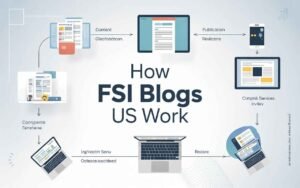
At their core, FSI Blogs US operate through curated content, expert contributions, and interactive engagement. Posts are organized by finance, strategy, and innovation, ensuring readers can quickly find relevant topics. Writers range from academics to seasoned professionals, blending research-backed insights with real-world applications.
Interactive features, such as comments, shares, or LinkedIn discussions, allow readers to connect directly with authors and peers. This networking component adds another layer of value, transforming blogs from mere reading material into communities of knowledge. Additionally, timely updates ensure that insights remain current, helping readers react wisely to market changes.
Advantages of FSI Blogs US
FSI blogs offer several unique benefits:
-
High-Quality Insights: Posts often contain in-depth analysis backed by research, exceeding typical news coverage.
-
Diverse Topics: From fintech innovation to corporate strategy, these blogs cover a wide array of subjects.
-
Free or Affordable Access: Unlike academic journals or consultancy reports, most blogs are available online for free or at a low cost.
-
Expert Contributors: Content comes from professionals with years of experience, enhancing credibility.
-
Community Building: Readers can engage with authors and peers to foster discussions on key financial topics.
These advantages make FSI Blogs US a practical and reliable source of knowledge for anyone seeking to improve investor education or stay up to date on emerging trends.
Limitations of FSI Blogs US
Despite their value, FSI blogs have some limitations:
-
Variable Quality: Not all contributors maintain the same standard; some posts may lean more toward opinions than rigorous analysis.
-
Limited Depth Compared to Journals: While insightful, blogs rarely match peer-reviewed research for comprehensive detail.
-
Information Overload: The volume of content can overwhelm readers, making it hard to identify the most important posts.
-
US-Centric Focus: International perspectives may be underrepresented, limiting global insights.
Understanding these limitations helps readers approach FSI blogs critically, extracting value while remaining aware of potential biases.
Impact on US Financial Knowledge
One of the most significant contributions of FSI Blogs US is enhancing public financial literacy. Beginners can learn budgeting basics, understand credit scores, and navigate investment options through simplified explanations.
Furthermore, these blogs influence behavior over time. For instance, regular exposure to content on diversification or risk management helps readers make measured decisions instead of reacting emotionally to market volatility. By combining clarity, thought leadership, and actionable advice, FSI blogs empower individuals to make informed financial choices.
Influence on Financial Markets
While blogs don’t directly set market prices, they shape investor perceptions. Insightful analysis and expert commentary can subtly guide investment strategies. Many blogs function like simplified market intelligence platforms, analyzing trends and providing context beyond daily headlines.
For example, a post explaining Federal Reserve interest rate changes can help small investors understand their impact on mortgages or savings accounts. Over time, this knowledge fosters smarter, long-term thinking—a critical edge in a fast-moving financial environment.
Trust and Credibility
Credibility is key in financial content. FSI Blogs US builds trust through transparent sourcing, expert contributors, and accurate reporting. Blogs often cite official data, research studies, and regulatory updates to enhance authority.
However, not all blogs maintain high standards. Oversimplified or biased posts can mislead readers. Evaluating author credentials, cross-checking data, and comparing multiple sources are essential practices for anyone relying on financial blogs for guidance.
Practical Tips: Using FSI Blogs Wisely
To maximize the benefits of FSI Blogs US, follow these steps:
-
Check the Author: Verify credentials and experience in finance or strategy.
-
Evaluate Sources: Reliable blogs cite official data, studies, or expert opinions.
-
Compare Perspectives: Read multiple blogs to understand different angles.
-
Apply Insights Gradually: Avoid making impulsive financial decisions based on a single post.
By following this checklist, readers can leverage blogs effectively for investor education and professional growth.
Future Trends in FSI Blogs US
The landscape of US financial blogs is evolving rapidly. AI-generated summaries, video explainers, and interactive tools are making content more accessible. Blogs increasingly blend multimedia formats to cater to diverse learning styles.
Moreover, regulatory awareness and fintech innovation will shape content in 2025 and beyond. Blogs that maintain transparency, credibility, and timely updates will continue to influence public knowledge and decision-making. Staying current with these trends ensures that readers can make smarter, informed choices.
Conclusion
FSI Blogs US has transformed how Americans learn about finance, strategy, and innovation. They provide high-quality insights, practical advice, and community engagement. While not flawless, their advantages far outweigh limitations, offering readers a reliable way to improve financial literacy and navigate the US economic landscape.
To get the most value, engage actively with content, evaluate sources critically, and integrate lessons gradually. By doing so, FSI blogs become more than reading material; they become tools for better financial decisions and professional growth.
Faq’s
Q1: What are FSI clients?
FSI clients are businesses or individuals using financial, strategy, and innovation services. They rely on insights from FSI blogs to make informed decisions.
Q2: How many bloggers are there in the United States?
There are over 31 million bloggers in the US across all niches, including finance, lifestyle, and tech. Financial bloggers form a growing subset of this community.
Q3: Which blog is best for earning?
Blogs focusing on finance, investing, and fintech trends often offer the best monetization opportunities. Successful blogs combine high-quality content with affiliate marketing and consulting services.
